Hillary Clinton has revisited one of the most widely circulated conspiracy theories targeting her 2016 presidential campaign. The former secretary of state explained how the baseless Pizzagate conspiracy theory gained traction online. She also discussed why her campaign struggled to counter the misinformation.
Hillary Clinton explains how the debunked conspiracy spread
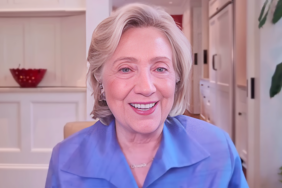
During an appearance on the On with Kara Swisher podcast, Clinton discussed the conspiracy’s rapid spread. The Pizzagate conspiracy theory falsely alleged that Clinton and her campaign chairman, John Podesta, were involved in a child sex-trafficking operation. The baseless theory centered on a Washington, D.C., pizzeria.
Clinton said convincing-looking online content made fabricated claims appear credible. “The naïveté and the susceptibility of people seeing a video or seeing something in print that looked legitimate was so powerful,” she explained.
She also identified social media as a major factor. “Facebook was the worst offender against me, and Pizzagate, which was just a huge lie that took off,” Clinton said.
Clinton acknowledged that her campaign had underestimated the impact of online misinformation. She described the team as “frankly ill-prepared, unaware of how effective it could be.” The campaign struggled to understand how quickly online hoaxes could influence voters.
She also alleged Russian money helped keep the conspiracy circulating. Clinton recalled that false claims were spreading online, “some with Russian money, for heaven’s sakes.”
The consequences extended beyond social media. Clinton recalled campaign volunteers encountering voters who believed the false accusations. Some refused to support her because they believed “she kills people, or she traffics children.”
When volunteers asked where those claims originated, Clinton remembered hearing one response repeatedly. “Oh, I saw it on the internet,” voters reportedly told them. The encounters illustrated how online misinformation influenced some voters’ perceptions.
Clinton connected the experience to upcoming midterm elections. She warned that significant money continues to fund digital political messaging. She warned that false claims and misleading political messages could once again target Democratic candidates.
Clinton described the midterms as an opportunity to “stop the damage.” Her comments highlighted continuing concerns about misinformation influencing political conversations.