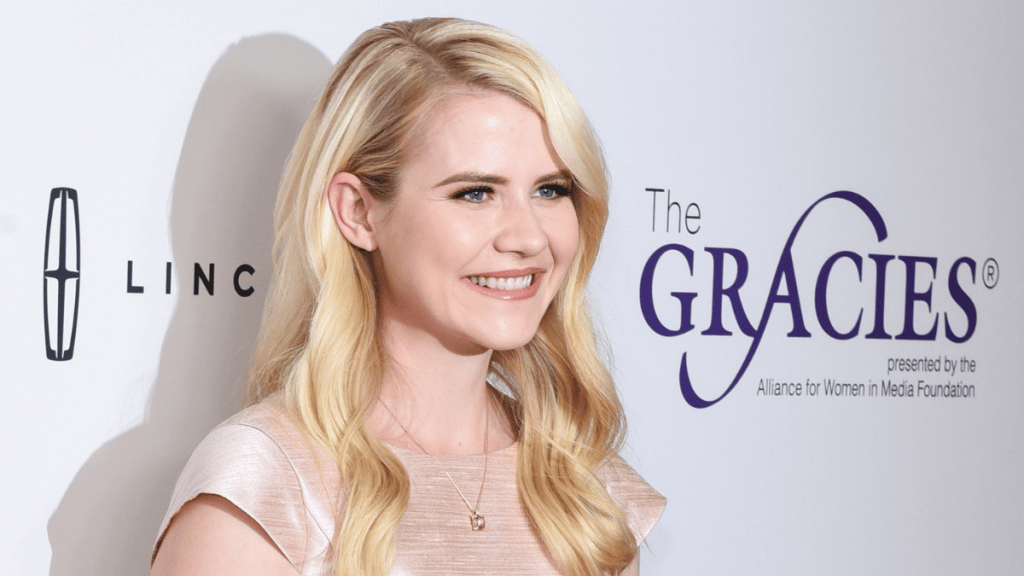
Elizabeth Smart turned a traumatic chapter of her life into a mission to help other survivors reclaim their lives. The kidnapping survivor has launched a true crime podcast that puts victims’ voices, resilience and healing at its center.
In The Survivor Files with Elizabeth Smart, the 38-year-old mother of three speaks with people who endured terrifying experiences. She highlights how they rebuilt their lives. Her latest project also reflects a lesson she hopes more women will embrace. Personal safety matters more than being polite.
Elizabeth Smart is amplifying survivors’ voices through her new true crime podcast
In an exclusive interview with PEOPLE, Smart explained why hearing other survivors’ stories inspired her. “I actually find these stories incredibly inspiring and help me to continue to just try to reach for the life that I want to live,” she said. Her guests included Kara Robinson Chamberlain, who escaped a serial killer. Another guest was Chris Cander, who was abducted at knifepoint while studying abroad in Spain.
Smart said guests trusted her with deeply personal experiences. Their willingness to share was especially meaningful. “They’re making themselves vulnerable. And that can be a really scary thing,” she explained. Their survival, she added, demonstrated their strength and resilience. Smart also admired their determination not to let traumatic experiences dictate the rest of their lives.
Her own experience shaped that perspective. In 2002, Smart was abducted at knifepoint from her Salt Lake City bedroom at age 14. She endured nine months of captivity and sexual assault before rescuers found her. “I have one shot at life,” she told the outlet. Smart said she wanted to live fully and pursue the things that mattered to her, rather than let her past define her future.
That outlook also influenced how she raised her daughters. Smart urged women to trust their instincts when someone or something felt wrong, even if leaving might offend another person. “Prioritize your safety over other people’s emotions,” she advised. She recalled growing up believing politeness and respect were essential, but said putting those expectations ahead of intuition was a mistake.
Smart hoped her daughters would feel comfortable refusing an uncomfortable situation, even something as ordinary as sharing an elevator. “Nope, I’m waiting for the next elevator,” she said of the response she wanted them to choose.
Through her podcast, Smart continued creating space for survivors to tell their stories on their own terms. Her message remained clear: healing was possible, and nobody owed politeness at the expense of their safety.