King Charles acknowledged the past in his Antigua speech, but stopped short of offering an apology. The news comes as the reigning monarch concludes his nine-day Caribbean tour today. Demands for a formal apology and reparations for Britain’s historical role in the transatlantic slave trade have dominated the trip.
King Charles makes ‘learn from the past’ remark in Antigua speech
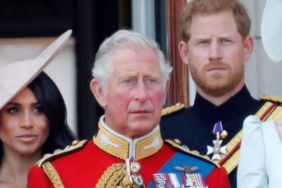
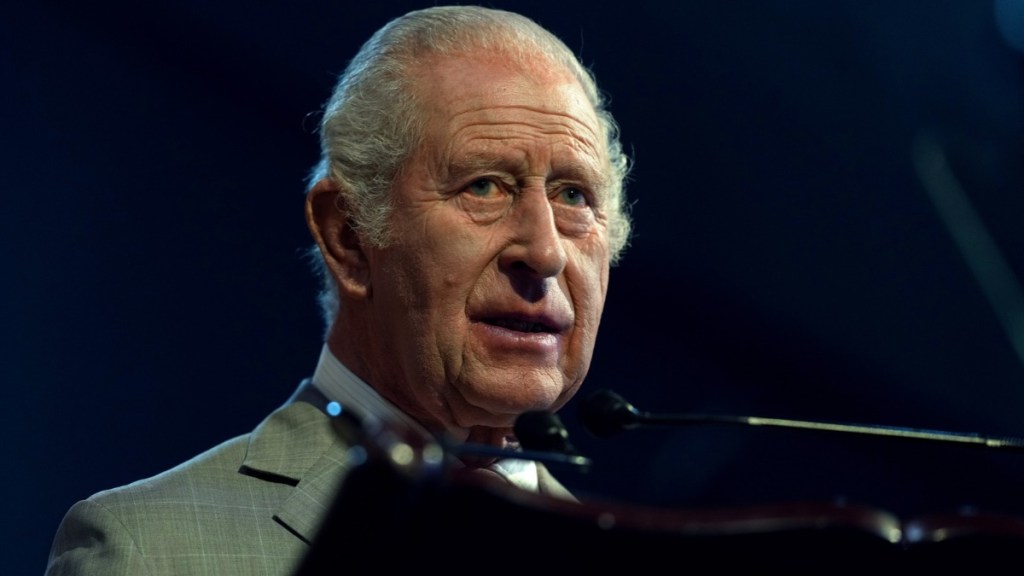
In a grey suit and lilac tie, King Charles addressed some 1,200 delegates at the National Performing Arts Centre of Antigua and Barbuda on November 3. His Majesty gave the speech at the official opening of the 28th Commonwealth Heads of Government Meeting, which officially opened the leaders’ segment.
He directly engaged with the debate on slavery and the controversy over an apology, stating, “We can learn from our past.” The King went on to describe the slave trade in deeply personal terms, saying it “fills my heart with horror and my soul with the most profound personal sorrow.” However, he refrained from issuing a formal apology for Britain’s historic involvement.
To provide some context, Prime Minister Andy Burnham had heightened this interest, saying he would entertain the idea of a formal British apology for slavery. A number of nations had reportedly looked for the gesture, as per the Daily Express.
However, the monarch instead said, “History is not ours to choose or change. Our history inspires us, can appal us, yet it can always teach us. We cannot change the actions of those who came before us. We can, however, learn from the past.”
In his remarks on the slave trade, King Charles noted that it still “casts a shadow over these islands and other Members of our Commonwealth.” That said, he also pointed to the crucial role the British Royal Navy played in ending the practice.
The Head of the Commonwealth emphasized, “And yet history also teaches us that evil need not have the last word; that character and courage can combine to overcome the most monstrous injustice, as they did with the determination to end international trade in enslaved people, in which the Royal Navy played such a leading role.”