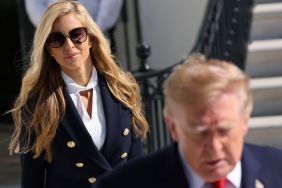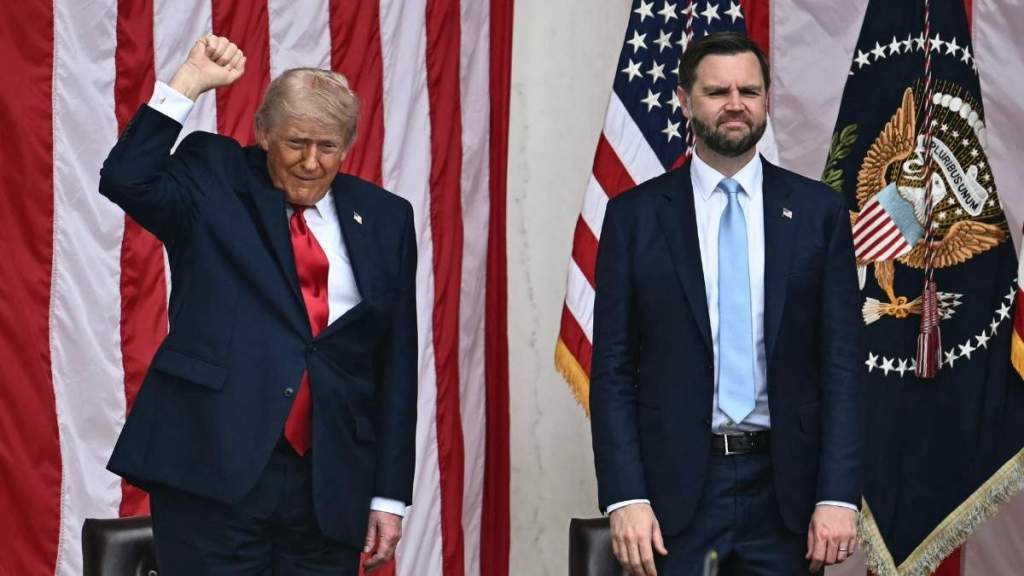
President Donald Trump and his vice president, JD Vance, disagreed over the language used after the US struck Iran. The dispute was over a single word. A new book by two prominent New York Times journalists reveals that Trump got furious with Vance last summer over how Vance described the damage to Iran’s nuclear facilities.
Donald Trump vented anger at JD Vance, claims book
According to Politico, the incident is detailed in Regime Change: Inside the Imperial Presidency of Donald Trump, authored by reporters Maggie Haberman and Jonathan Swan. The book paints a picture of a White House where message discipline — down to a single word — is non-negotiable.
The clash began after the US carried out strikes on Iran’s nuclear sites. Donald Trump declared the program had been “totally obliterated” and expected his team to repeat that line without deviation. When ABC News asked JD Vance whether Tehran’s nuclear facilities had indeed been obliterated, Vance hedged. “Well, Jon, severely damaged versus obliterated, I’m not exactly sure what the difference is. What we know is we set their nuclear program back substantially,” the vice president said.
That was enough to set Trump off. According to the book, “Trump vented to others that Vance hadn’t repeated his own new phrase that Iran’s nuclear program had been ‘totally obliterated.'” Trump’s frustration reportedly escalated. The book quotes him telling an associate: “Everyone needs to say fucking ‘obliterated.’ … That’s the word. Everyone just needs to copy what I say. Obliterated. Obliterated.”
The very next day, Vance appeared on Fox News and repeatedly used the word “obliterated.” This was a clear indication that he had received the message from his boss. The episode also exposed a wider rift. In the same ABC interview, Vance said the administration was not seeking regime change in Iran, only for Trump to say the opposite just hours later. Early intelligence leaking to the media also suggested the actual damage to Iran’s nuclear sites did not match Trump’s sweeping claims, making Vance’s more careful language look like an acknowledgment of that gap.