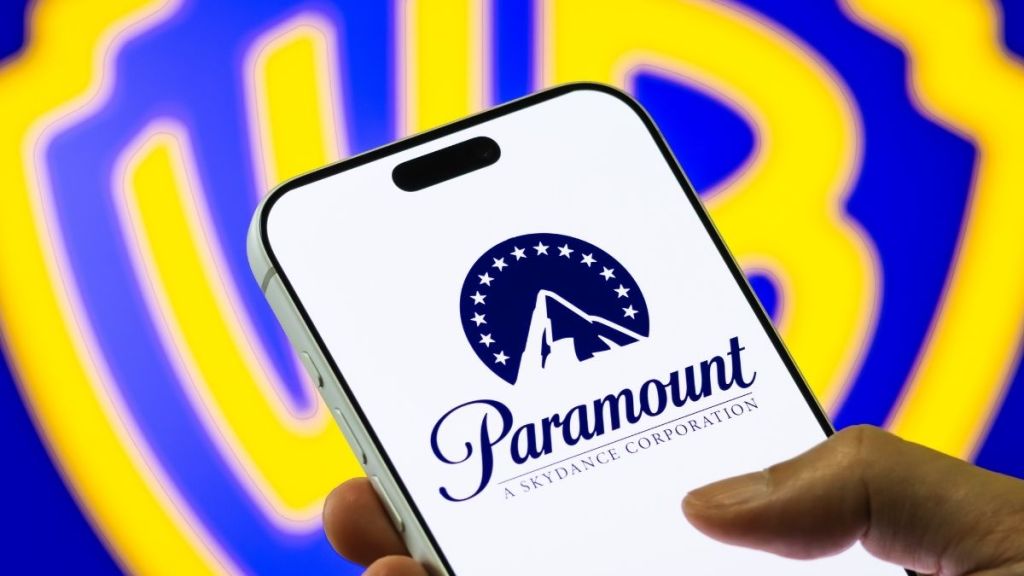
In a bold move, Paramount Skydance launched a $108.4 billion hostile takeover bid for Warner Bros. Discovery (WBD), aiming to outmaneuver Netflix and redefine the streaming landscape. The premium offer challenges Netflix’s mega deal, positioning Skydance as a top contender in the media giant race.
Paramount bids for Warner Bros amid Netfix deal
Following a weeks-long bidding war, Netflix secured a $72 billion deal for Warner Bros. Discovery’s TV, film studios, and streaming assets, trumping Paramount and Comcast. The noteworthy acquisition holds the potential to significantly alter the entertainment landscape, blending Netflix’s streaming tech with Warner Bros. iconic content.
Things, however, just got complicated with Paramount Skydance throwing a curveball with a $108.4 billion hostile bid for Warner Bros Discovery, challenging Netflix’s $72 billion deal. This move stems from the idea of creating a media powerhouse rivaling Netflix and tech giants like Apple. Paramount’s enticing offer, a 15% premium over WBD’s closing price, is all-cash, valuing WBD at $30 per share, and includes HBO, Warner Bros Pictures, DC Studios, and CNN.
Netflix’s $72 billion bid for Warner Bros. Discovery involves a hefty $5.8 billion break-up fee, suggesting confidence in regulatory approval. However, the deal has been subjected to strong antitrust scrutiny, with President Donald Trump citing potential market-share concerns. Bipartisan lawmakers and Hollywood unions, too, are against the deal, fearing job cuts and higher consumer prices. The fact that the combined entity would control nearly 30% of the US streaming market has raised serious concerns. Netflix’s argument that the market includes YouTube and TikTok hasn’t done much to convince regulators.
However, Paramount’s bid for Warner Bros. could also lead to potential job losses and industry consolidation. A combined Paramount-Warner Bros. would expand its studio dominance, raising concerns about monopoly and talent-bargaining power. Analysts’ warnings hinting at layoffs and decreased creative diversity have sparked opposition from the Writers Guild of America and lawmakers like Elizabeth Warren and Bernie Sanders.