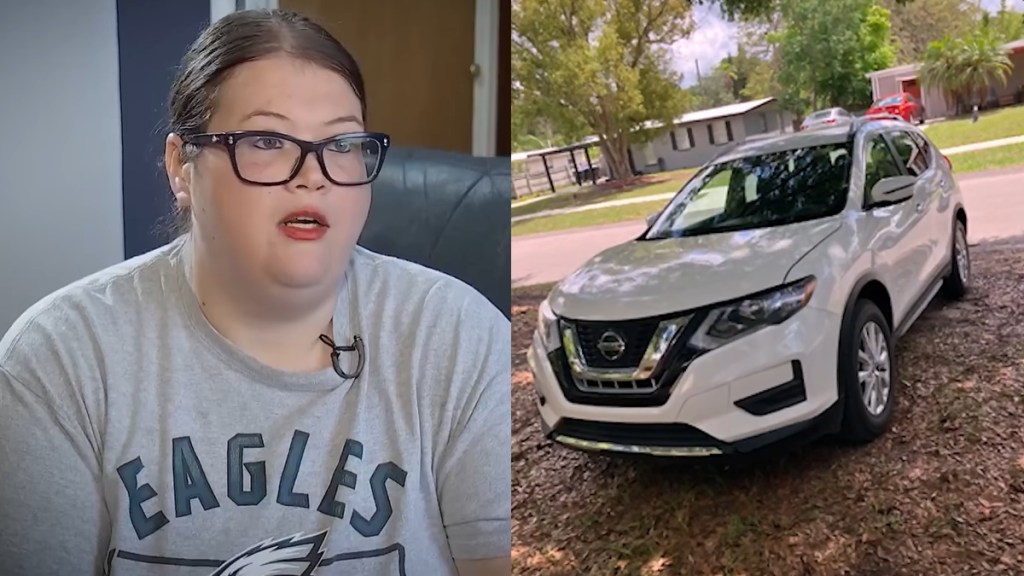
We’ve heard of awful fraud cases before, but this one is particularly egregious. A woman in Florida thought that the car she had been driving for two years was a legitimate purchase before finding out that it was actually stolen. She was then forced to give the vehicle back to its original owners, yet she’s still on the hook for making payments on the car loan. Talk about a raw deal.
Florida woman forced to make payments on stolen car she doesn’t own anymore
In late 2025, Amber Wolnomiejski from Orange County, Florida, learned that the 2019 Nissan Rogue SUV she had been driving for two years had a fraudulent VIN (vehicle identification number) and that she had been sold a stolen car, according to News 6 ClickOrlando.
She had purchased the vehicle from LC Motors 1 Inc, a used car dealership in Orlando, back in 2023. However, deputies from the Orange County Sheriff’s Office discovered that the VIN on the dashboard of the car was fraudulent and found a second, different VIN when they searched the vehicle at her home in December 2025.
Then upon further investigation, they found that there was actually a third VIN tied to the car, one from a vehicle that had been stolen in the area in April 2019. Consequently, Wolnomiejski was forced to return the SUV to the theft victim, Enterprise Rent-A-Car, though she now doesn’t have a ride and is still making payments on the more than $20,000 loan she secured to purchase the vehicle.
“I’m still paying $330 a month for a car that I don’t have,” Wolnomiejski said, “and living well below my means right now.”
The sheriff’s office considers the woman as a fraud victim.
Wolnomiejski has since filed a lawsuit against the used car dealership for breach of contract, civil theft, and fraudulent inducement.
She said, “You would think that somebody who sells cars, buys and sells cars for a living, would notice something as glaring as three VINs on one vehicle.”
Used car dealership says they bought the stolen car by auction
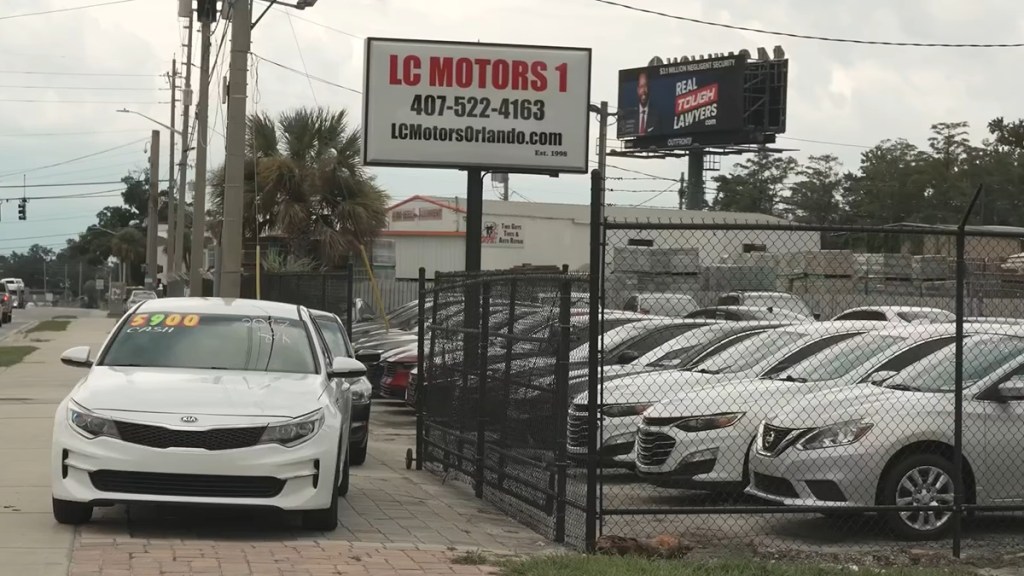
An employee of LC Motors 1 Inc. told the outlet that it had purchased the SUV from Manheim, an auction company, that it had been working with for years. Manheim describes itself as “setting the industry standard for buying and selling used vehicles for over 75 years.”
When asked whether Manheim has any policies in place to ensure that the vehicles it auctions are not stolen, a spokesperson for the company passed the responsibility onto local law enforcement.
“We are not the owner of the vehicles sold at auction and are not a consumer-facing business,” the representative said in a statement. “In a rare circumstance like this, we rely on our local law enforcement partners to investigate and would direct you to the department listed on the report you shared.”
The Orange County Sheriff’s Office says that “stolen cars being re-VINed is not a new thing,” but warns that the proliferation of used marketplaces on Facebook and others have made this crime more prevalent. Just this week, we reported on a Facebook Marketplace sale that led to the owner being robbed of their vehicle at gunpoint. And in July, one customer found that his towed vehicle had been placed on Facebook Marketplace by the towing company.
The agency recommends buyers of used cars to check them with a licensed mechanic and to run the VIN of the vehicle through CARFAX and other resources. They encourage them to ensure that the VIN on the doorframe matches the VIN on the dashboard, and that they take a picture of the seller and their driver’s license.