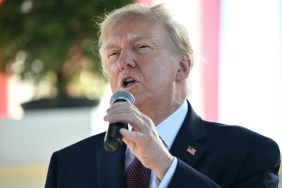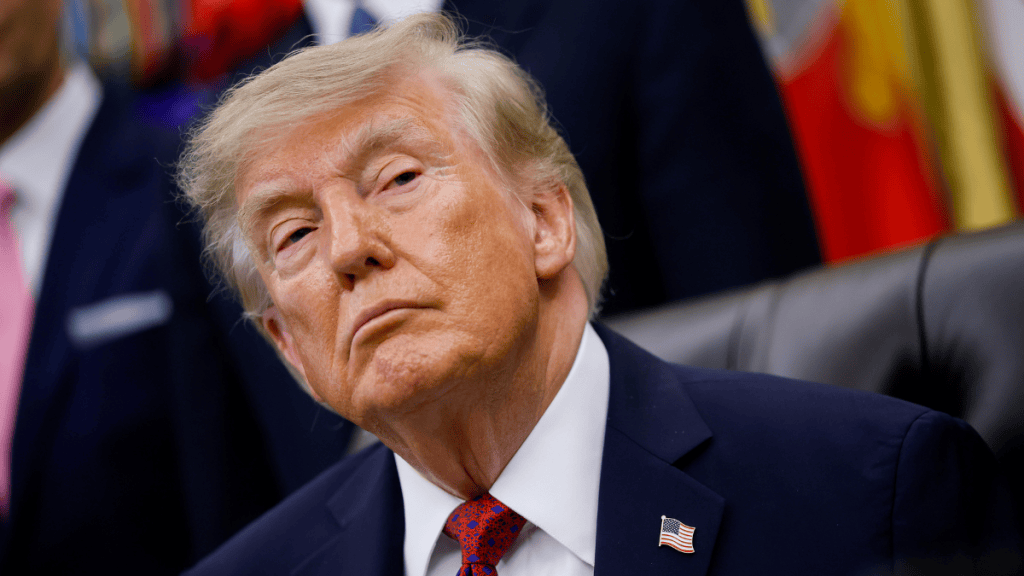
Donald Trump could leave the White House after November’s midterm elections, according to strategist James Carville. He predicted a Republican defeat could push the president toward an extraordinary decision.
The claim came as Democrats appeared increasingly positioned to make major gains in the 2026 midterms. Carville suggested Trump could resign and hand Vice President JD Vance an opportunity to steady the Republican Party.
James Carville predicts Donald Trump could quit after the midterms
Speaking on The Daily Beast Podcast, Carville predicted, “He’s going to walk away.” He argued Trump would struggle to accept what he described as an approaching defeat, calling him “a soft man.” Current projections gave Democrats a 76.9% chance of taking the House majority. Carville believed Republicans would blame Trump if those predictions became reality.
“They’re going to blame [Trump] – the whole culture is going to change,” he said. “The whole conversation is going to change.” Carville, a veteran strategist who worked with Bill Clinton, John Kerry and Hillary Clinton, offered an even more dramatic scenario. He predicted Trump could resign before asking Vance for a presidential pardon.
“He’s going to throw up a white flag,” Carville said. He claimed Trump’s lawyers could advise him that a pardon from Vance would offer greater protection. The prediction came amid Trump’s complicated legal history. He faced 88 criminal counts before his second term and had been convicted on 34 counts by July. Another 52 charges had been dismissed.
Trump also faced allegations involving political corruption and government access. Reports claimed major figures received influential positions or contracts after supporting his political campaign. Carville argued that political loyalty could shift quickly after an election loss. “Political parties… they don’t like losing,” he said. “As long as you’re winning, they’ll give you great leeway. If you’re losing, they hate you.”
Democrats had already outlined their priorities if they won big. House Minority Leader Hakeem Jeffries said they wanted to restore Medicaid cuts, extend Affordable Care Act tax credits and reclaim congressional authority over tariffs.
They also planned to challenge Trump’s policies concerning the Middle East. Impeachment remained another possible route if Trump refused negotiations. Yet Democrats would need Republican support for such efforts to succeed. There was also concern about attempts to influence or delay the midterms themselves. Trump had repeatedly questioned election results and sought changes involving voting rules.
Professor David Dunn warned that Trump was increasingly “unfettered” in his approach to politics, business and corruption. Whether Carville’s resignation prediction came true remained to be seen. But the midterms promised to test Trump’s grip on his party.