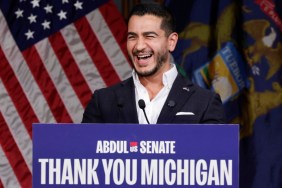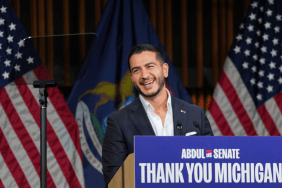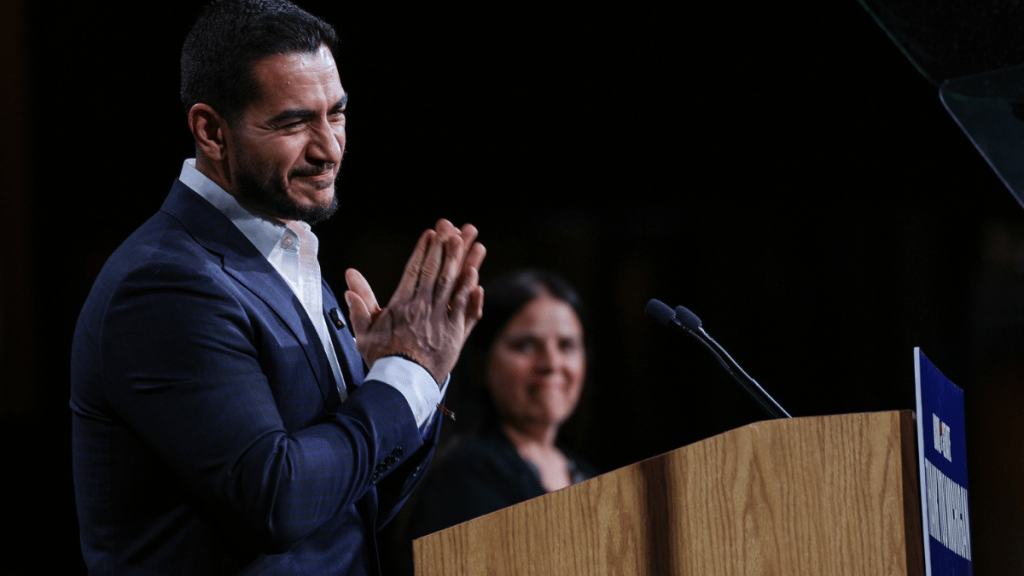
Abdul El-Sayed faced a pointed question during his appearance on The View after winning Michigan’s Senate race. Co-host Sara Haines challenged him over comments he made after the March attack on Temple Israel near Detroit. El-Sayed had condemned the attack but also said that “hurt people hurt people.” On the show, he explained why he made the remark and admitted that he should have responded differently.
Abdul El-Sayed acknowledges mistake in Temple Israel remarks
Haines raised the issue during the Nov. 5 episode of The View. In March, Ayman Mohamad Ghazali rammed his vehicle into Temple Israel in West Bloomfield Township and fired at a security guard. Four of Ghazali’s relatives were killed days earlier in an Israeli airstrike in Lebanon, reports said. El-Sayed condemned the incident but also said, “hurt people hurt people,” which later drew criticism.
Even after El-Sayed apologized, the comment stuck with many people, Haines said. She pointed out that it appeared to take him about five months to understand why his words upset voters and constituents. She then asked whether leaders have a duty to challenge extremist views within their own religions. Haines also explained that she feels responsible when people use her Christian faith to justify cruelty.
El-Sayed thanked Haines for asking and agreed with her point. He said faith should “uplift all of us” rather than justify harmful actions. He explained that he condemned the attack immediately but also wanted to offer context about the attacker’s family losses. “When people are hurting, context is secondary,” he admitted, adding, “I should’ve stood with their pain, and I learned from that experience.”
The senator-elect said he was “not above apologizing” when he makes a mistake. He also argued that people should look beyond a simple division between “good and evil” when discussing violence and its causes. He explained that he wanted people to understand the attacker’s family losses in Lebanon. El-Sayed said leaders must stand with people’s pain “with no exceptions and no asterisks.”
Haines said she respected his response but remained surprised that he needed so much time to understand the impact of his remarks, especially given the presence of children at the synagogue. Joy Behar described his apology as “better late than never,” but El-Sayed replied, “It’s also better early than late.” He then stated that individuals should be held accountable for their actions, not a whole religion. He pointed to Christian nationalists as an example, saying society often recognizes their individuality while treating people of other faiths as representatives of their communities.