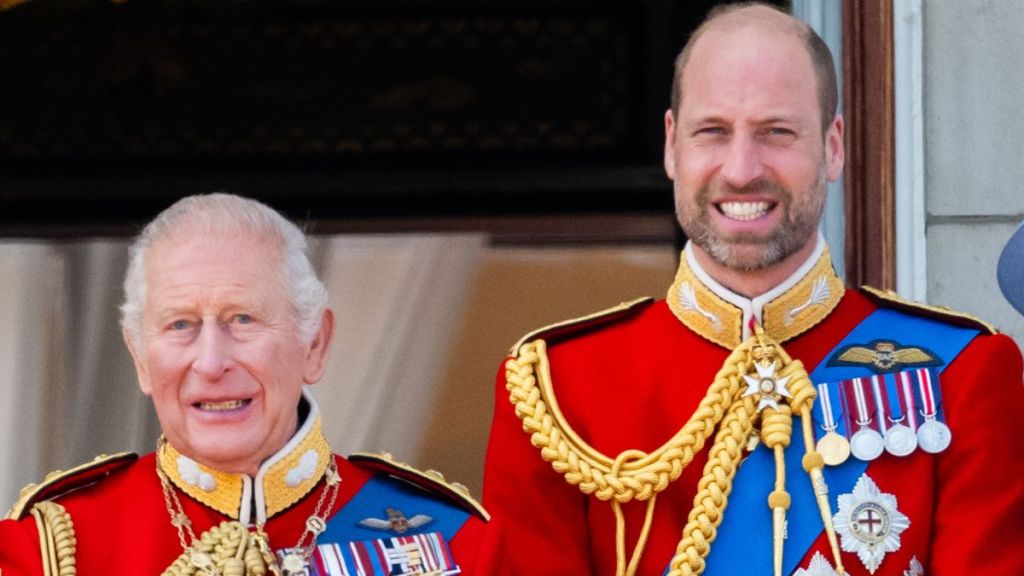
Prince William could reportedly decide not to succeed King Charles III as head of the Commonwealth when he becomes king, potentially ending a decades-long tradition linking the British monarchy to the organisation. According to The Times, Charles knows he could become the last member of the Royal Family to hold the symbolic position, although William has not publicly announced any such decision.
Prince William could reportedly not follow King Charles as the head of the Commonwealth
A report by The Times suggests that William does not intend to succeed his father as head of the Commonwealth. If true, his decision would mark a significant change in the relationship between the British monarchy and the organisation’s 56 member countries. William will inherit the British throne when Charles dies or abdicates, but he does not have to take on every responsibility associated with the Crown. The Commonwealth leadership operates separately from the British monarchy, and its member states will decide who holds the position. Vanity Fair has reportedly asked Buckingham Palace for a comment on the claims published by The Times. However, neither Kensington Palace nor Prince William has officially confirmed that he plans to turn down the role.
The role of head of the Commonwealth does not automatically pass from one monarch to the next. King Charles became head of the Commonwealth after Queen Elizabeth II died in 2022. However, the leaders of the member countries approved his appointment in 2018. This means Charles took on the role because of their earlier decision, not through an automatic process. Prince William would not have to take on this role when he becomes king. The member countries would decide who should lead the organisation next.
Queen Elizabeth II made the Commonwealth a central part of her work during her 70-year reign. Under her leadership, the organisation evolved from its historical ties to the British Empire into a voluntary association of independent countries. Charles has embraced her legacy and considers the Commonwealth an important part of his international and diplomatic work. He remains committed to maintaining relationships with countries that share a complicated history with Britain, including its colonial past.