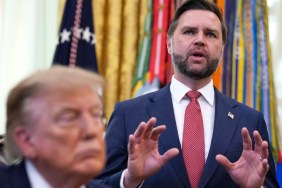
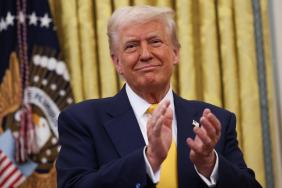
Stephen A. Smith revealed that Donald Trump called himself the “greatest president“. Smith didn’t hold back at a private dinner at the White House, putting Trump on the spot over his handling of the economy and foreign affairs. The ESPN commentator later claimed that Trump fired back with a striking take on his own performance.
Stephen A. Smith recounts his private White House dinner with Donald Trump
Stephen A. Smith described the exchange on Wednesday on The View, revealing that Donald Trump repeatedly urged him to wait for promised economic gains before judging the administration. When Smith pressed for evidence, he said Trump insisted that enormous sums of money were coming into the country but offered no immediate specifics (via Comeback).
According to Smith, the conversation eventually reached a blunt declaration. Trump allegedly told him, “I’m the greatest president who’s ever lived,” adding that Smith needed to “understand that” claim.
Foreign policy had provided one point of disagreement. Smith said he questioned Trump about Venezuela, Russia’s war against Ukraine and Iran, challenging the president over his earlier promise of “no new wars.” He also raised concerns about changing timelines for ending military action and the administration’s economic promises.
Smith recalled asking Trump to explain when the results would arrive. The president’s reported response was to keep waiting for “the trillions of dollars” he said would enter the country.
Smith spent more than four hours at the White House last Thursday, sharing the table with comedian Bill Maher and musician Kid Rock. He said he went into the room with a mission to raise issues affecting historically Black colleges and universities and the wider Black community. Looking back on the evening, Smith described a serious, civil discussion in which Trump “didn’t duck any smoke whatsoever.”
But the dinner didn’t escape the backlash machine. Former ESPN personality Jemele Hill said that the gathering worked to Trump’s advantage, while Kid Rock landed under scrutiny for displaying the Confederate flag.