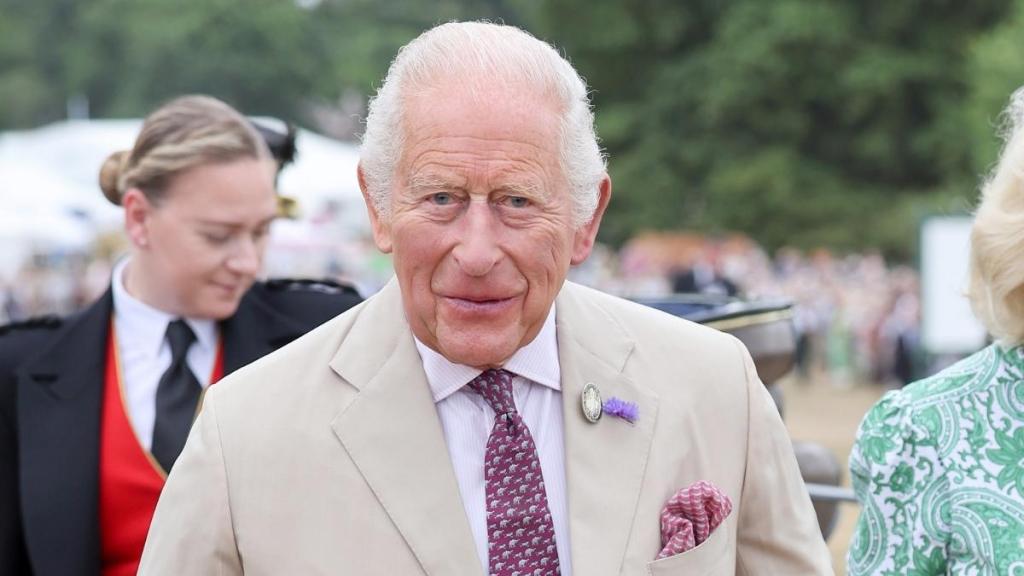
King Charles’ brother, ex-Prince Andrew, is reportedly not included in the royal family’s summer vacation in Balmoral amid his Sandringham exile. The monarch reportedly has no plans to see his brother, the disgraced Duke of York, who seems comfortable with his life in exile. It is not known whether ex-Prince Andrew is banned from the royal family’s favorite destination, Balmoral Castle, or if there is some other reason.
Ex-Prince Andrew won’t be joining Royal Family this summer, sources claim
Ex-Prince Andrew is reportedly not part of the royal family’s summer plans this year at Balmoral Castle. As per The Times, Balmoral Castle in Scotland is the royal family members’ go-to retreat. A source close to King Charles shared with the publication that Andrew’s presence at Balmoral would raise “considerable sensitivities.”
For those unversed, disgraced Prince Andrew has been living in exile at Marsh Farm since April. Ever since, he has made his brother’s Sandringham Estate his home. Andrew was stripped of his royal role and sent away from the public eye over his links to convicted s*x offender Jeffrey Epstein.
Ex-Prince Andrew is now reportedly “settled” in Norfolk and busy with his own personal schedule. Notably, Charles and his brother have not made a public appearance together ever since the latter’s scandal hit the headlines. The former prince made his first public appearance recently with his brother, Prince Edward, and Duchess Sophie at the Sandringham Horse Driving Trials on June 30.
Previously, in May, King Charles visited the royal family’s Sandringham estate over a U.K. bank holiday. As per PEOPLE, despite being just a few miles away from his brother, he reportedly did not meet him.
Following the disgraced royal’s arrest, the police revealed they had been “working with the United States Department of Justice to get further information that may be related to this investigation.” The statement further reads: “We have also been working with the Crown Prosecution Service (CPS) in the United Kingdom and have sought early investigative advice from them as we would in serious, complex or sensitive cases.”