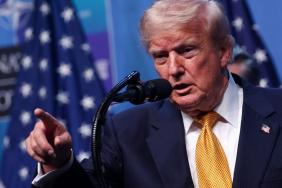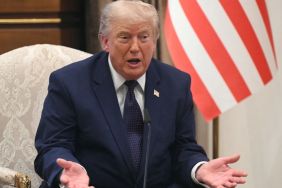
Donald Trump addressed questions about a recent remark during a high-level meeting that has since drawn widespread attention. The president responded to criticism surrounding a comment referencing a historical event while speaking alongside a foreign leader.
Donald Trump criticized for making Pearl Harbor joke
Critics targeted Donald Trump after he referenced Pearl Harbor while responding to a question about notifying allies before a US attack on Iran.
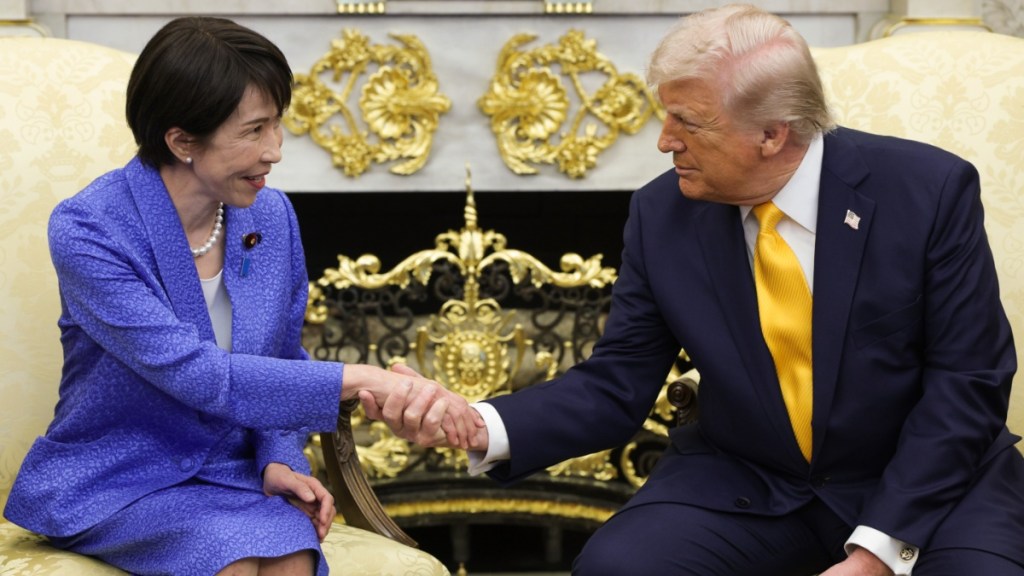
When asked why allies were not informed, he said, “We wanted surprise. Who knows better about surprise than Japan? Why didn’t you tell me about Pearl Harbor? Okay, right?” The remark was made during a meeting with Japanese Prime Minister Sanae Takaichi in the Oval Office.
The comment drew attention due to its reference to the 7 December 1941 attack on Pearl Harbor, when Japanese forces struck a US naval base in Hawaii. The attack killed 2,390 Americans and led the United States to declare war on Japan the following day. Then, President Franklin Delano Roosevelt described it as “a date which will live in infamy”.
According to reports, there was initial laughter in the room following Trump’s remarks, but the reaction changed as the reference continued. Observers noted that Takaichi “shifted in her chair” after the comment. The exchange occurred in the context of ongoing questions about the US military action in Iran and coordination with allies.
Trump’s response emphasised the element of surprise in military operations, stating that the US “didn’t tell anybody about it because we wanted surprise.” The reporter specifically asked why the United States did not inform allies in Europe and Asia, including Japan, in advance of the attack.
The Pearl Harbor reference also drew reactions online, where users repeated the line “Why didn’t you tell me about Pearl Harbor” and discussed the historical comparison.
The meeting also included a discussion on security in the Strait of Hormuz, with Takaichi stating that ensuring its safety was of “utmost importance” while outlining Japan’s legal limitations on military action.