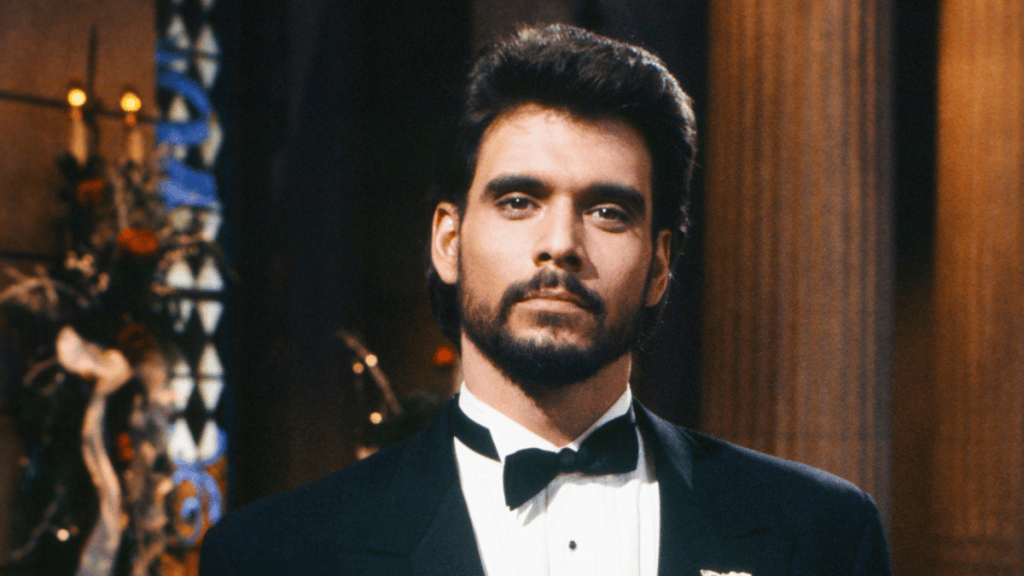
Robert Kelker-Kelly was in cardiac arrest when first responders reached his Missouri home. The actor was reportedly unresponsive and not breathing when officers arrived. He was later pronounced deceased at the scene.
Robert Kelker-Kelly was in cardiac arrest as first responders tried to save his life
According to Page Six, emergency crews responded to a call involving an adult male patient. St. Charles County Ambulance District official Kyle Gaines described the emergency response. First responders and paramedics provided advanced life-saving measures at the scene.
“First responders and paramedics responded to a call … for an adult male patient for a cardiac arrest,” Gaines said. He added that responders performed advanced life-saving protocol techniques. “Unfortunately the patient was pronounced deceased on scene,” he said.
Police reportedly arrived at Kelker-Kelly’s home around 8:16 p.m. Saturday. Officers found the Days of Our Lives star unconscious and not breathing. CPR was already underway as officers and paramedics continued efforts to save him.
Kelker-Kelly was 62 when he died. His death was described as non-suspicious, while an official cause remains unreleased. The actor had reportedly complained of chest pain before his death.
Kelker-Kelly became widely recognized for playing Bo Brady on Days of Our Lives. He took over the role from Peter Reckell and appeared from 1992 to 1995. His run included nearly 600 episodes.
In 2013, Kelker-Kelly reflected on his demanding Days of Our Lives schedule. “I was working, on average, 90 hours a week,” he told We Love Soaps. His schedule involved shooting one or two episodes daily.
“It was exhausting. They worked us to death,” Kelker-Kelly continued. He also recalled waking at three in the morning before long studio days. “I would get up at three o’clock in the morning, go to the gym from four to six,” he said.
Kelker-Kelly never publicly responded to Rinna’s allegations. His death marked the loss of a longtime daytime television performer. His final moments remain tied to the emergency response following his cardiac arrest.