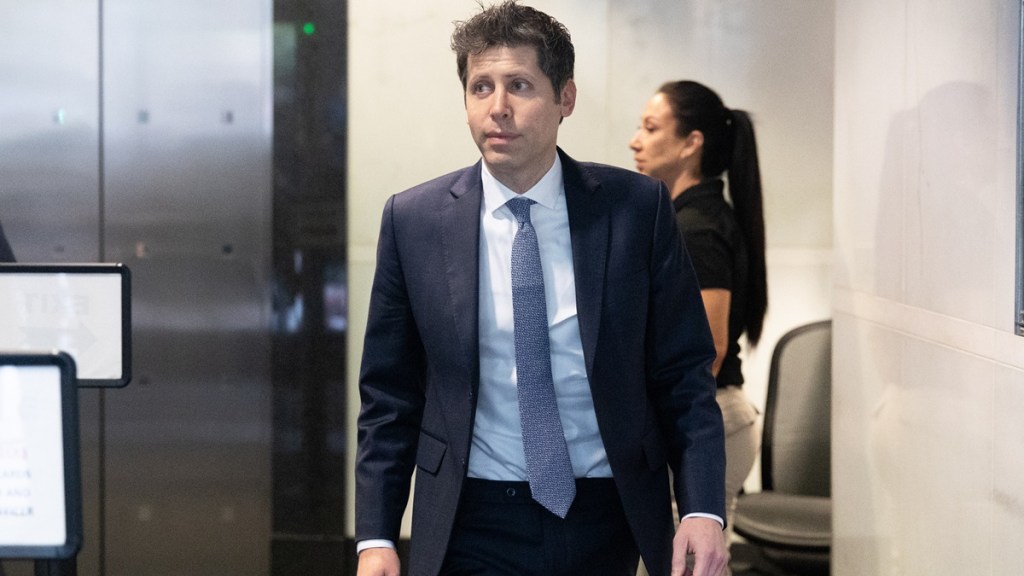
OpenAI and its CEO, Sam Altman, are facing a major legal challenge after Florida Attorney General James Uthmeier filed a lawsuit accusing the artificial intelligence company of prioritizing profits over public safety. Filed on Monday, the civil lawsuit alleges that OpenAI knowingly promoted technology that could harm users.
Meanwhile, they failed to adequately disclose the risks associated with their products. According to the complaint, OpenAI’s rapid growth was fueled by what Florida describes as “a web of deceit” that exploited users’ data and safety to increase the company’s market value.
OpenAI hit with lawsuit by Florida over safety issues
The lawsuit marks the first time a U.S. state has directly sued OpenAI and Altman over AI design and safety concerns. Florida is seeking financial penalties and court orders to change the company’s practices rather than pursuing criminal charges. The complaint includes multiple allegations, including deceptive and unfair trade practices, negligence, product liability violations, fraudulent misrepresentation, and public nuisance.
Furthermore, state officials argue that OpenAI’s systems present serious risks, including addiction, cognitive decline, self-harm, violence, and other potential harms to users.
According to NBC News, Florida is also attempting to hold Altman personally liable, claiming he acted with reckless disregard for the risks associated with OpenAI’s products. The lawsuit is separate from a criminal investigation by the attorney general’s office in April, which remains ongoing.
The filing comes as OpenAI continues to face scrutiny over its safety measures. The company’s name has also appeared in lawsuits connected to a February mass shooting in Tumbler Ridge, British Columbia.
Families of victims allege that OpenAI should have reported concerning interactions between the suspect and ChatGPT before the attack occurred. OpenAI has not yet publicly responded to Florida’s latest lawsuit. The company has previously acknowledged concerns about AI safety.
They have repeatedly stated that they are working to develop safeguards as artificial intelligence technology advances. The case is likely to become a closely watched test of how far states can go in regulating AI companies as concerns about the technology’s societal impact continue to grow.