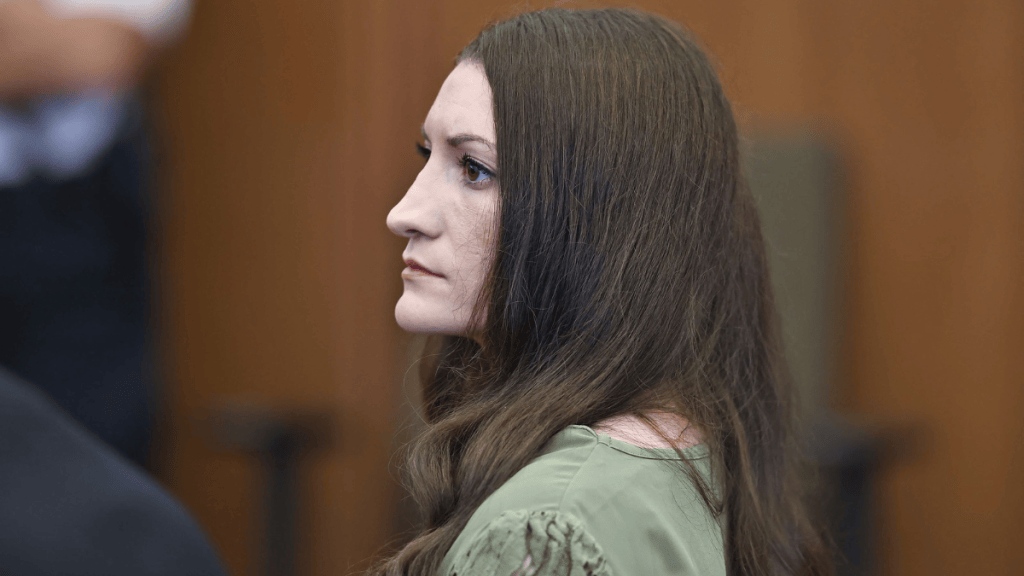
Lindsay Clancy’s lawyer Kevin Reddington criticized Ted Cruz after the senator described Clancy as a “monster” while discussing the deaths of her three children.
Reddington accused Cruz of misunderstanding postpartum psychosis and condemned his comments about how authorities should handle the Lindsay Clancy case.
Lindsay Clancy’s attorney Kevin Reddington tears into Ted Cruz over his comments about her case and postpartum psychosis
Cruz discussed Lindsay Clancy’s case during an appearance on Newsmax with Rob Finnerty. He described the deaths of her three children as deliberate and criticized arguments surrounding her mental state.
Reddington responded in a statement to the New Haven Register.
“Senator Cruz, you, sir, are despicable. You clearly do not come close to understanding the basic concept of postpartum psychosis. Quite frankly, that is not surprising,” he said.
The attorney also accused Cruz of ignoring broader problems involving mental health treatment.
“You obviously do not know the first thing about mental health or the woeful state of medical and psychiatric care in our country. Instead of making a rational observation, you call for her execution,” Reddington said.
He also challenged Cruz to discuss the case with him directly.
“You know where to find me,” Reddington added.
Prosecutors charged Lindsay Clancy with three counts of murder in connection with the deaths of her children Cora, 5, Dawson, 3, and Callan, 8 months.
Clancy later survived a suicide attempt that left her paralyzed and using a wheelchair.
Her defense centered on her mental condition at the time of the deaths, including claims involving postpartum psychosis.
A judge declared a mistrial after jurors failed to reach a unanimous verdict.
Clancy subsequently asked the court to find her not guilty by reason of lack of criminal responsibility.
Reddington had also publicly asked President Donald Trump for a pardon, although Clancy faced state rather than federal charges.
The dispute with Cruz added another public controversy to the ongoing case as Clancy’s legal team continued to argue that her mental health remained central to determining criminal responsibility.