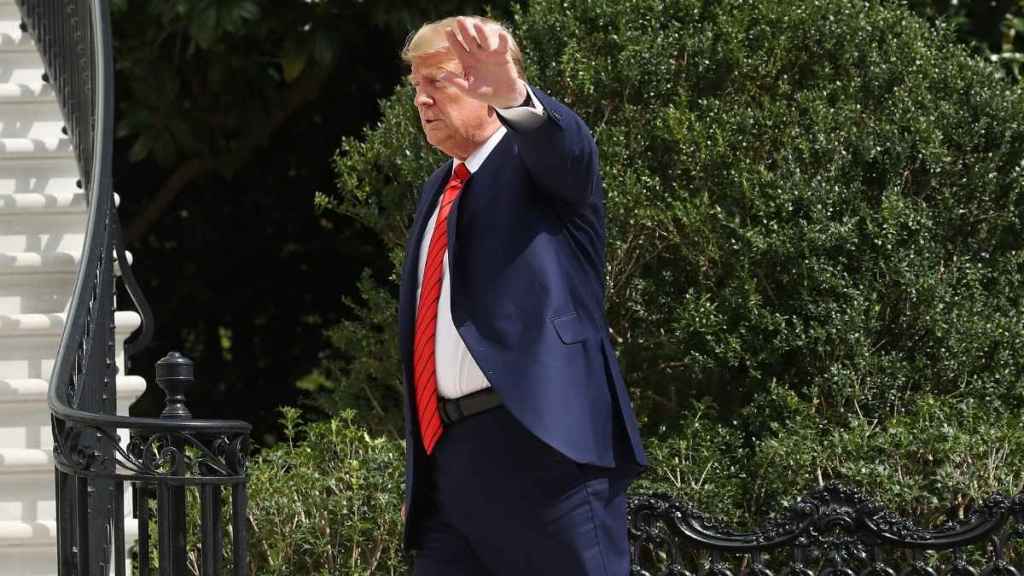
President Donald Trump has ordered his negotiating team to stop engaging with Iran. This move is another big reversal after months of claiming a deal was close. It reflects growing frustration inside the White House over Tehran’s refusal to accept US terms for ending the war.
Donald Trump is reportedly planning to halt conversations with Iran
A US official claimed that Donald Trump directed Vice President JD Vance, Steve Witkoff, and Jared Kushner to halt conversations with Iran. White House officials have also told political allies they are shifting strategy from “hammer Iran ASAP” to “strangle them” over time (via CNN).
“There are no talks or conversations going on, or scheduled, with the Islamic Republic of Iran,” Trump wrote on Truth Social. “The Naval Blockade remains in full force and effect. The Hormuz Strait is open and operating. All water mines have been removed or detonated. Thank you for your attention to this matter!”
Reality on the waterway tells a different story. Traffic through the Strait of Hormuz remains minimal, and ships still face Iranian projectiles. Frustrated by deadlocked negotiations and mounting questions about strain on US military assets, Trump now reportedly will distance himself a bit from the conflict.
Moreover, the strategic shift comes after the president grew dissatisfied with Iran’s unwillingness to bend in the war the former started. Officials claim Trump wants to wait until Tehran’s leaders show new willingness to accept his demands before reengaging.
Kushner gave a more optimistic view during a Fox News interview, a day before yesterday. He described conversations between the US and Iran as “probably more robust” than ever. “They’re engaging in a very strong way and that’s quite positive,” Kushner said. However, Iranian officials have repeatedly denied holding direct talks with Washington.
Trump has also grown displeased with an emerging arrangement between Iran and Oman over managing Strait of Hormuz traffic. He lashed out at Oman this week, threatening military action against a longtime US strategic partner.