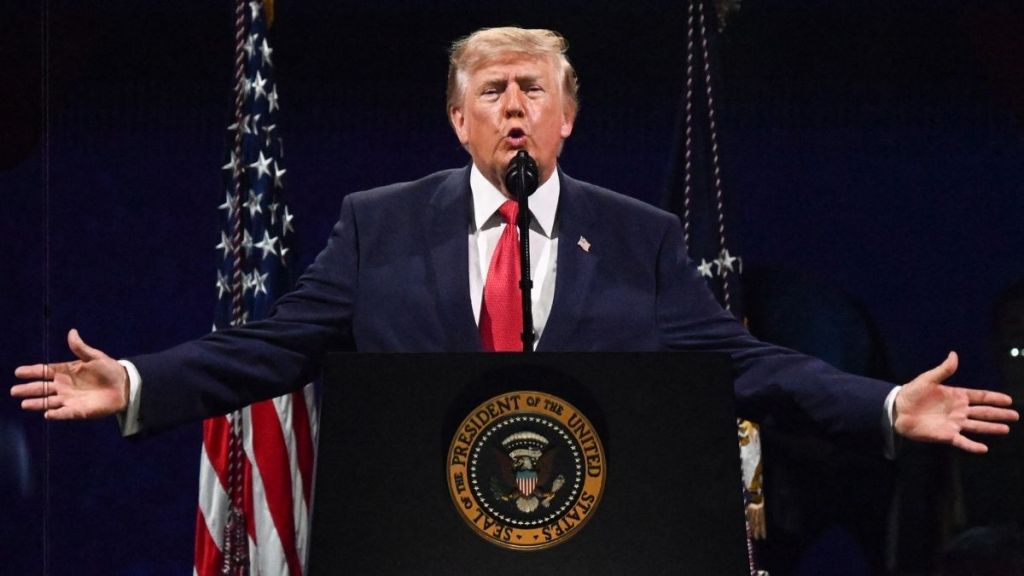
Alliance officials had a clear strategy heading into this week’s NATO summit in Turkey. The Secretary General of NATO, Mark Rutte, planned to present hard data showing that European defense spending had surged. However, the US President, Donald Trump, wanted something else entirely.
Donald Trump’s ‘loyalty’ demand creates a new challenge for Mark Rutte and NATO
Mark Rutte walked into the White House last month holding a chart labeled “The Trump Trillion.” Gold letters announced $1.2 trillion in new military investment from European allies and Canada since 2017. The Secretary General framed it as a direct result of Donald Trump’s pressure campaign. The numbers landed flat.
Trump brushed the numbers aside and raised the Iran war instead. Several NATO members refused to join the military operation he launched alongside Israel. He made clear that the alliance’s spending records no longer impressed him. “We don’t need their money — we don’t need anything,” Trump told reporters. “I just want loyalty.”
The statement has rattled summit preparations. The President even suggested he might have skipped the gathering entirely had Turkish President Recep Tayyip Erdogan not been hosting.
Rutte has spent nearly two years trying to keep the United States anchored inside the world’s largest military alliance. He succeeded his predecessor, Jens Stoltenberg, who faced the same task during Trump’s first term. Both leaders leaned heavily on seemingly personal flattery to hold the transatlantic relationship together.
Last year’s summit in The Hague offered a blueprint. Allies signed a major spending pledge. Trump dined with the Dutch royal family and slept at the King’s palace. He left praising his NATO partners as a “nice group of people.”
This year brings a steeper climb. Donald Trump’s irritation with NATO is about political alignment, not budgetary shortfalls. Loyalty defies measurement. Charts and gold lettering cannot materialize it. Graphs track euros and dollars. They reveal nothing about whether a country backs American military decisions.
The alliance now faces a mismatch between its solutions and the President’s demand. European capitals have funded bigger defense budgets. They have yet to convert that money into deployable military capabilities, a pressing concern as Russia looms. Mark Rutte has pressed the case that Europe’s financial surge allows Washington to pivot towards China while allies handle the situation in Ukraine.
(Source: Associated Press)