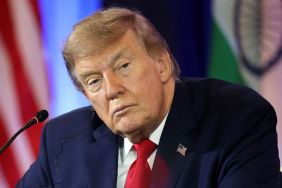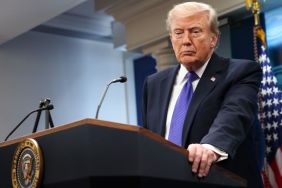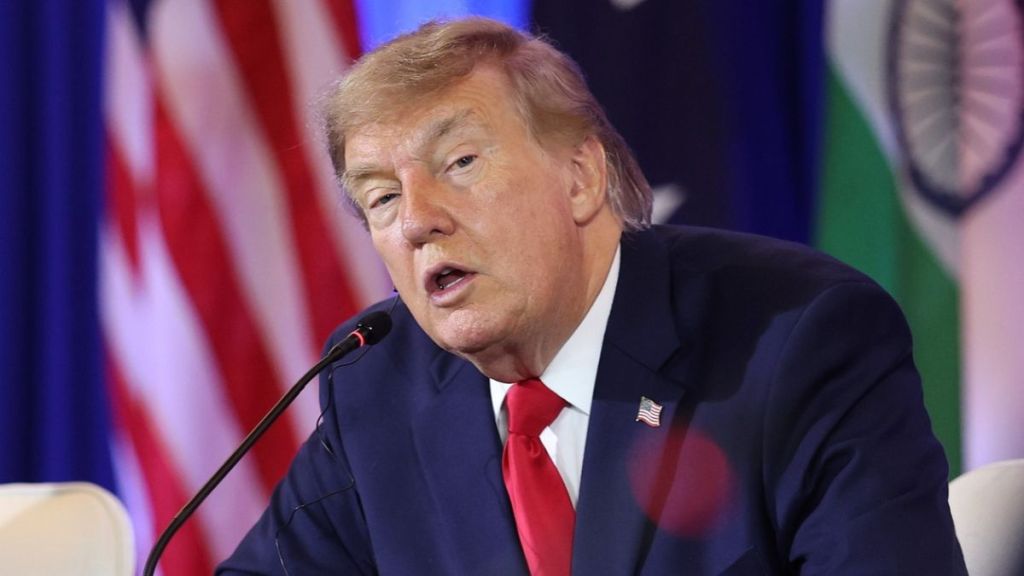
Donald Trump’s latest meme-coin dinner attracted far less investor capital than its predecessor. The event still offered exclusive access, gifts, and face time with the president. However, the numbers behind the gathering reveal a sharp decline in participation.
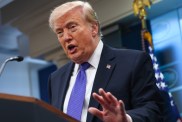
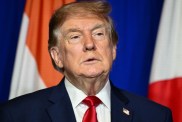
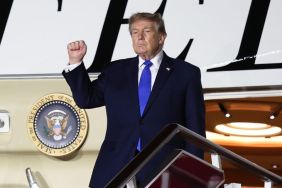
Donald Trump set to host gala for his meme coin in Virginia
The event took place at Trump National Golf Club in Sterling, Virginia. Organizers said 185 crypto wallets qualified, but the final leaderboard showed only 130 when the contest closed November 16. Those wallets held a combined $8.6 million, a steep drop from the $148 million recorded for the May 2025 dinner, which attracted 220 investors (via The Guardian).
The rewards included a Trump fragrance, a poster, a commemorative ticket, and a watch for 120 attendees. The 29 highest-ranked investors received invitations to a VIP reception, while the top four secured a Trump 18K gold watch.
Guests also had opportunities to meet boxing champion Floyd Mayweather, investor Kevin O’Leary, NBA champion Tristan Thompson, and magician Lior Suchard. Attendees waited outside in the rain, while guests described the atmosphere inside as subdued.
Trump defended his involvement by saying the cryptocurrency could help the United States compete economically. “I’m doing it for the United States … If we don’t do it, China’s going to do it,” he told those present. This marked his third crypto gala since returning to office.
Trump’s business dealings have also drawn fire from Democrats, who believe Trump is using public office for private profit. June financial disclosures showed more than $500 million flowing to him from World Liberty Financial.
Sales of his $Trump tokens, which debuted just days before his inauguration, brought in another $600 million. Democrats now want to put those ventures under the microscope through investigations and new legislation aimed at meme coin dinners.
Sen. Adam Schiff and eight other senators argued that the contest encouraged investment in the token and allowed Trump to “abuse the power of his office to personally enrich himself.” Public Citizen’s analysis for Reuters also found that more than half of the listed wallets were connected to exchanges that prohibit U.S.-based users.