The urgent wail of missile sirens forced a CNN host to scramble for cover during a live interview on March 10, offering viewers a raw, real-time glimpse of the escalating conflict in Tel Aviv.
CNN Host takes shelter on Live TV as sirens sound in Tel Aviv
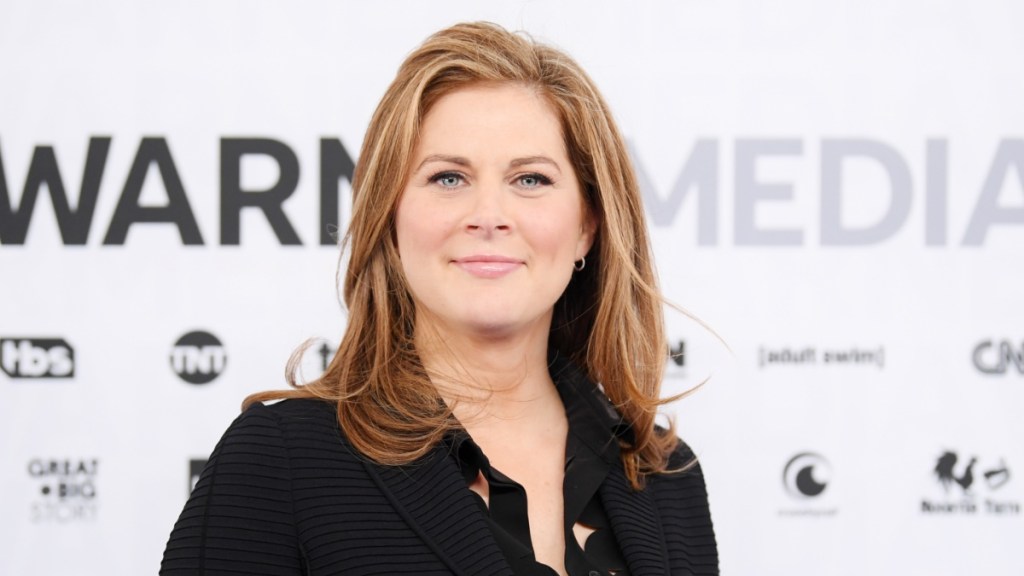
CNN anchor Erin Burnett was broadcasting from Tel Aviv when the situation took a dramatic turn. Speaking at around 1 a.m. local time during Tuesday’s Erin Burnett OutFront, the host had just noted her team received an early warning for “possible incoming missiles,” adding that “usually those early warnings do mean sirens and missiles, but not always” (via The Daily Beast).
Minutes into a satellite interview with retired Major General Randy Manner, the prediction became reality. As siren sounds blared through Tel Aviv, Burnett and CNN reporter Jeremy Diamond abruptly ended the conversation and rushed to seek safety near a stairwell. “Alright, so Jeremy and I are, obviously, we’re having trouble hearing because we have the sirens going on here as we are going to seek shelter,” Burnett told viewers while gathering equipment and moving to a secure location.
On their way to shelter, Burnett connected with CNN senior correspondent Fred Pleitgen in Tehran, who described his own close calls earlier that day. “We went to a site that had been hit a day before, maybe 12,14 hours before, as we were on the ground, we all of a sudden heard that anti-aircraft fire,” Pleitgen said. After driving to “the other side of the city,” he continued hearing explosions and “thuds” — experiences he noted are becoming routine for residents.
Later, Diamond confirmed the sounds were “ballistic missiles from Iran.” Burnett explained the reporting limitations, noting they would share what they could, “with some of the censorship. But once they enter into the airspace, then we’re able to share that information” (via The Daily Beast).