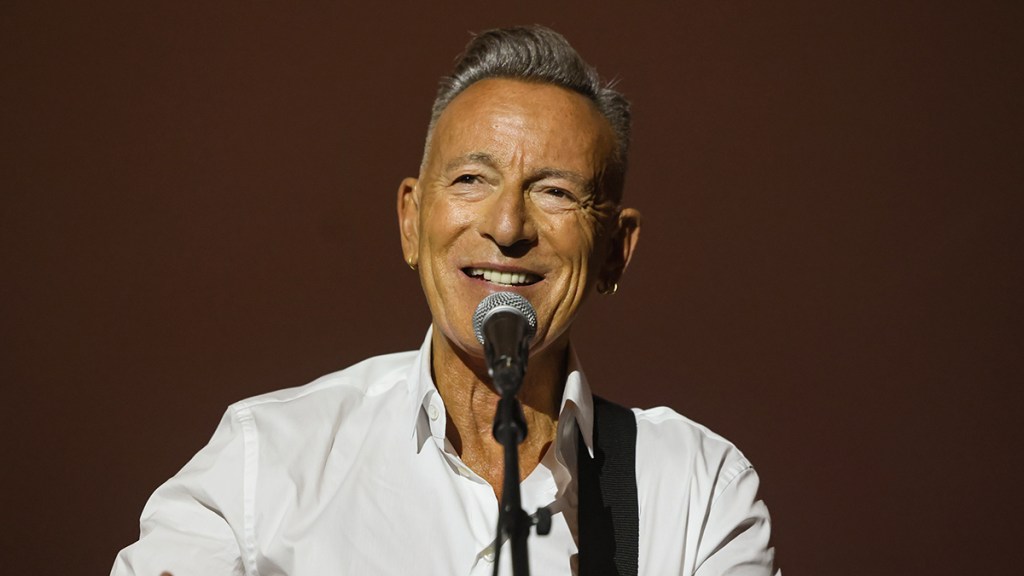
The tense political atmosphere in the United States, particularly involving the Immigration and Customs Enforcement (ICE) agency, has inspired Bruce Springsteen to release a new song criticizing the Trump administration. In response, a spokesperson from the White House has snapped back at the 20-time Grammy winner, calling his opinion “irrelevant.”
White House reacts to Bruce Springsteen’s new anti-ICE song
On Wednesday, January 28, Bruce Springsteen premiered his latest hymn, titled ‘Streets of Minneapolis,’ targeting Donald Trump and ICE. The song lyrics controversially referred to the President as ‘King Trump’ and ICE agents as ‘federal thugs,’ while also narrating the recent killings of Renee Good and Alex Pretti.
“I wrote this song on Saturday, recorded it yesterday and released it to you today in response to the state terror being visited on the city of Minneapolis,” Bruce Springsteen wrote in a Bluesky post while announcing his new song’s release. “It’s dedicated to the people of Minneapolis, our innocent immigrant neighbors and in memory of Alex Pretti and Renee Good. Stay free.”
Reacting to the 76-year-old musician’s critique, Abigail Jackson, a White House spokesperson, told Entertainment Weekly that “the Trump administration is focused on encouraging state and local Democrats to work with federal law enforcement officers on removing dangerous criminal illegal aliens from their communities, not random songs with irrelevant opinions and inaccurate information.”
She then threw shade at the opposition, adding, “The media should cover how Democrats have refused to work with the Administration, and instead, opted to provide sanctuary for these criminal illegals.”
Alex Pretti, a 37-year-old ICU nurse, lost his life at the hands of an ICE agent last Saturday. Meanwhile, Renee Macklin Good was killed after being fatally shot by an ICE operative on January 7, sparking nationwide outrage against Trump and his aggressive immigration crackdown. The American Prospect has since reported that at least 32 people have died in 2025 in ICE-related incidents, making it the agency’s most deadly year in the last two decades.