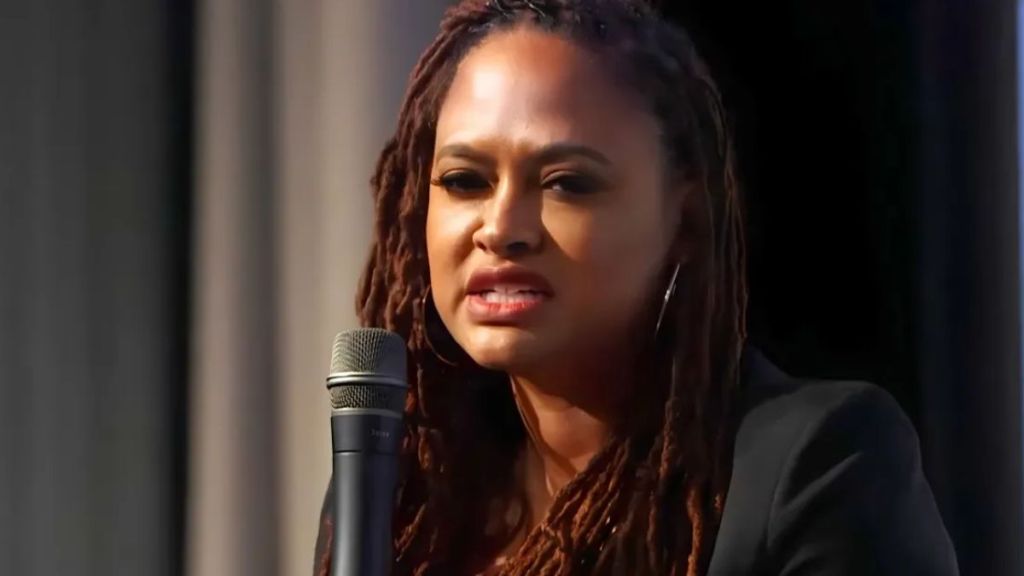
Ava DuVernay has responded to criticism over her decision to use AI in her latest documentary. The filmmaker defended the creative choice, explaining that the technology served a specific purpose in the project. Her comments come amid ongoing debates in Hollywood about AI’s impact on filmmaking and the ethical concerns surrounding its use.
In an interview with The Hollywood Reporter, DuVernay addressed the backlash surrounding 14th, her documentary examining the U.S. Constitution’s 14th Amendment. Speaking at AFI Fest on October 25, she explained why the team used AI animation.
Ava DuVernay explains why she used AI in 14th
DuVernay clarified that the team did not use AI to create fictional people or fabricate statements. Instead, the filmmakers used the technology to animate public domain photographs. She explained that the approach aimed to make historical images feel more immediate to viewers.
DuVernay told The Hollywood Reporter, “We didn’t use it to fabricate a person or make an avatar of a person or approximate someone’s voice that said something they didn’t say.” She added, “We actually animated some photos that are in the public domain, and from what we’ve been hearing from people it does bring people closer to that time in history, which was our goal.”
The director also noted that AI-related technology already features in several areas of filmmaking, including sound design, editing, color correction, and animation. She urged the industry to consider how filmmakers use these tools across their workflows. DuVernay added, “I think we’ve come to a place in filmmaking where we have to be really sober about the ways in which that technology is [used] across so much of the workflow.”
Despite DuVernay’s explanation, AI usage to animate historical photographs has prompted concerns about consent and the representation of people who cannot approve changes to their images. The debate has also raised questions about how filmmakers should use the technology.
DuVernay previously directed 13th, a 2016 documentary examining racial inequality and mass incarceration in the United States. Her new project shifts its focus to the 14th Amendment, which addresses citizenship and equal protection under the law.
14th will have a limited theatrical release on November 27, 2026, before arriving on Netflix worldwide on December 4.
Originally reported on ComingSoon.