Hollywood has no shortage of filmmakers willing to revisit familiar franchises. However, Luc Besson has an unusual idea for approaching one iconic action series. The director recently revealed what would make him interested in taking on another Terminator movie.
Luc Besson wants a Terminator who misses his mom
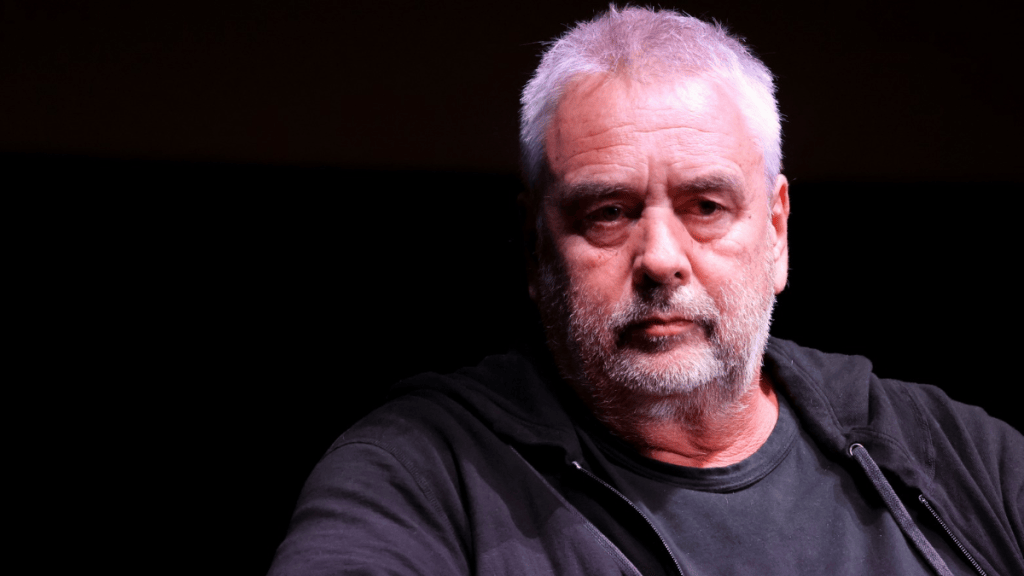
Besson discussed the possibility while attending the Torino Film Festival in Italy, as reported by Variety. He received the Stella delle Mole award for lifetime achievement during the event, where he also discussed creative freedom and the kinds of stories he enjoys telling.
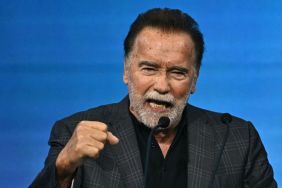
When asked about making another Terminator movie, Besson praised the franchise’s iconic star, Arnold Schwarzenegger, but made it clear that he wouldn’t simply follow the series’ familiar formula. Instead, he offered a humorous condition for taking on the project.
“I like Schwarzenegger a lot, but I’d only make that film if the Terminator sat down and said he missed his mom,” Besson joked. The unexpected idea would give the famously intimidating machine a surprisingly vulnerable side, reflecting the director’s penchant for unconventional characters.
Besson said he gravitates toward extraordinary stories rather than everyday experiences, explaining that he enjoys exploring other worlds through cinema. His filmography includes The Big Blue, Léon: The Professional, The Fifth Element and Lucy.
The director also described his preference for characters who are “always a little bit broken by society.” He added that he likes exploring “the strength of women and the weakness of men,” a perspective that helps explain his interest in turning an otherwise formidable Terminator into a character with a more emotional side.
Beyond storytelling, Besson also criticized the growing influence of money on filmmaking, arguing that creators should retain control over their artistic decisions. “The one who decides is the creator,” he insisted.
He further described art as essential to human life, alongside water, air and love. The director warned that prioritizing financial interests over creative expression could damage cinema, reinforcing his preference for imaginative and unconventional filmmaking.