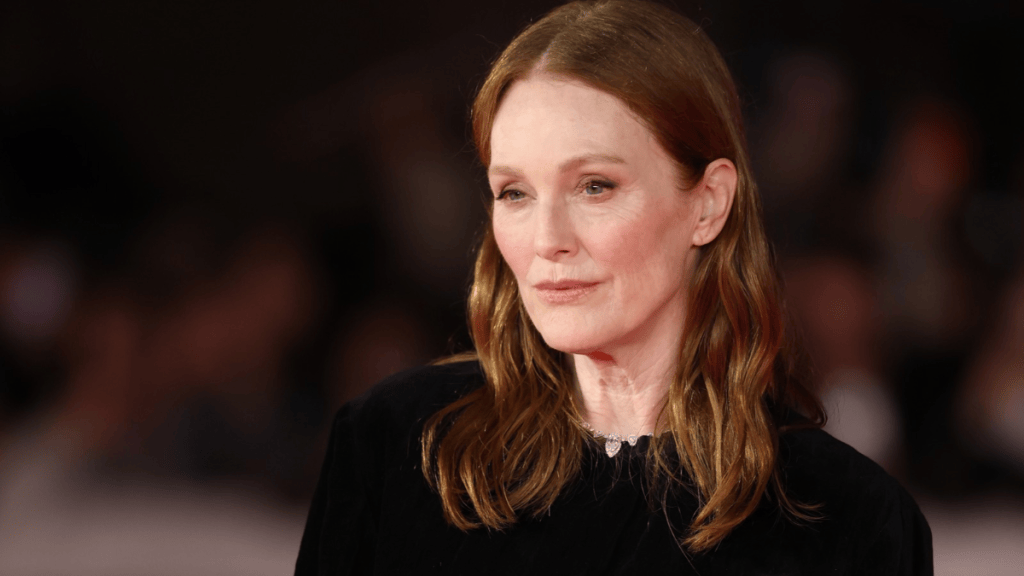
Julianne Moore won an Academy Award for portraying a woman with Alzheimer’s disease in Still Alice. More than a decade later, the actress says the film continues to influence her conversations about memory loss and brain health. She also encourages people to seek medical advice if they notice changes in their memory or thinking.
Julianne Moore discusses personal Alzheimer’s confessions after Still Alice
In an exclusive interview with PEOPLE, Moore revealed that her role in the 2014 film has prompted conversations with people concerned about their own memory or loved ones living with Alzheimer’s disease.
“I think, honestly, since I made the movie, with a lot of people it’ll come up very casually in conversation,” the actress told PEOPLE. She recalled people sharing their experiences with the disease or expressing concerns about memory problems in their loved ones.
In Still Alice, Moore portrayed Alice Howland, a linguistics professor diagnosed with familial Alzheimer’s disease. Her performance earned her the 2015 Academy Award for Best Actress, along with a Golden Globe and a BAFTA. The film follows Alice as the disease affects her independence and relationships.
The role also deepened Moore’s understanding of Alzheimer’s. She recalled encountering widespread misconceptions about the disease, particularly the belief that it was a normal part of aging. “There were so many people that really felt that Alzheimer’s was a condition of aging, and it’s not. It’s a disease, it’s a pathology,” she said.
The experience also triggered her advocacy efforts. Moore has partnered with pharmaceutical company Eli Lilly for its Brain Health Matters campaign. The campaign encouraged people to discuss cognitive health, understand their risk factors and seek medical advice when they notice changes in memory or thinking.
The actress believes conversations about brain health should become as routine as discussions about physical health. “You are your biggest advocate,” she said. She emphasized that people are often best placed to recognize changes in how their bodies and minds feel.