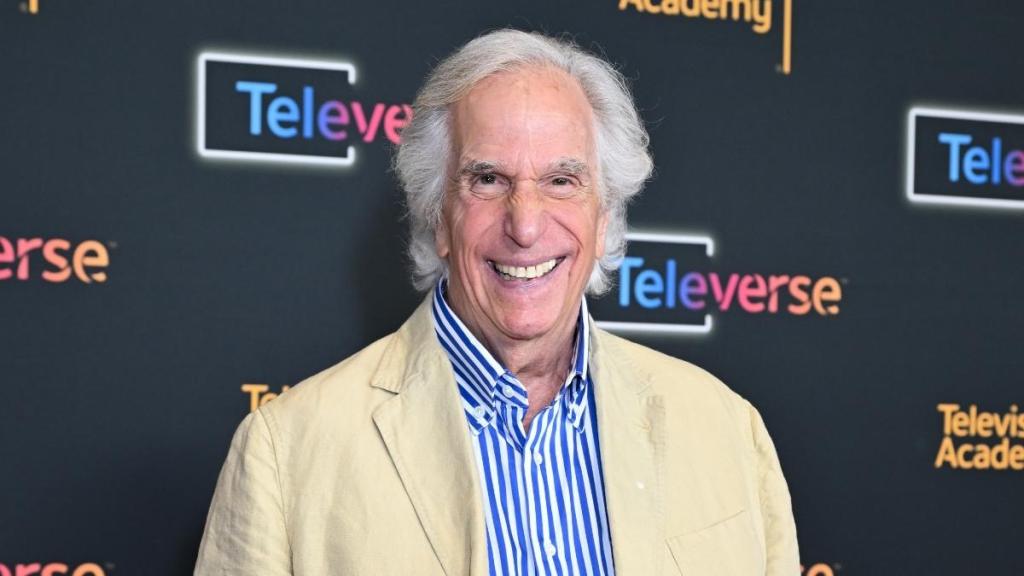
Henry Winkler is looking back at a painful part of his childhood. The actor says his parents struggled to understand him long before he learned he had dyslexia. Their response left a lasting mark. Although Winkler says he has forgiven much of what happened, one part of their treatment still feels impossible to excuse.
Henry Winkler reflects on forgiving his parents for his abusive childhood
During an In Depth With Graham Bensinger interview, Winkler discussed growing up with undiagnosed dyslexia. He said he had never heard of the condition and believed the negative labels adults gave him.
Winkler recalled being called lazy and stupid because he struggled in school. He also said his parents considered him a failure despite his efforts to succeed.
However, Winkler still admires what his parents overcame. As Entertainment Weekly reported, they escaped Nazi Germany and later became U.S. citizens.
That admiration does not erase his childhood experience. Winkler also described his father as physically abusive. He recalled his father chasing him up a staircase after Winkler made what he thought was a joke.
The Happy Days star learned he had dyslexia at age 31. The Yale Center for Dyslexia & Creativity confirms that diagnosis came only after years of academic struggles. Winkler said he has largely forgiven his parents with time. Still, he cannot forgive how they reacted when their child was clearly struggling.
Instead of calling a child a “stupid dog,” Winkler said parents should recognize that something may be wrong and offer support. He believes children should not be left feeling inadequate or like failures.
The experience also affected his own approach to fatherhood. Winkler said he wanted to “be a different parent” from the ones who raised him.
His dyslexia eventually influenced his work as an author, too. Winkler and Lin Oliver created the Hank Zipzer books about a child navigating similar learning challenges.
For Winkler, forgiveness does not mean ignoring the past. He can respect his parents’ survival story while still acknowledging the lasting harm their treatment caused.