The New York Times has gone to court in an effort to stop three of its journalists from testifying before a grand jury as part of an investigation into leaks of classified information.
The newspaper claims that the subpoenas issued by the Donald Trump administration following its report on security issues with Air Force One threaten freedom of speech and violate constitutional rights.
The New York Times argues that the Trump administration’s subpoenas violate constitutional protections
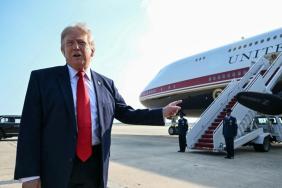
According to Deadline, reporters Julian E. Barnes, Eric Lipton, and Eric Schmitt received grand jury subpoenas as the government investigates the source of information leaks. The dispute arose when The New York Times published an article detailing the lack of vital security features in a Boeing 747-8 donated by Qatar and retrofitted for presidential use.
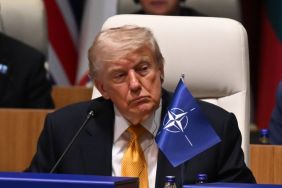
The article claims that the aircraft lacked features, including advanced anti-missile capabilities, which led to President Trump flying back from the NATO summit in an older presidential aircraft.
In a statement, David McCraw, the newspaper’s senior vice president and deputy general counsel, said the publication had filed a motion asking the court to quash the subpoenas.
McCraw said, “The New York Times filed a motion to quash the abusive and improper subpoenas issued to three of our journalists demanding they appear before a grand jury… These subpoenas are brought in bad faith to punish The Times for its coverage. They violate the constitutional rights of The Times and its journalists.”
McCraw has also said that though the filing remains sealed, the NYT is seeking to unseal it so that the public understands the case better.
The Department of Justice has defended itself, saying that the investigation is focused on identifying government officials who contributed to the privacy breach and does not intend to single out journalists. A spokesperson said that they will continue to investigate national security breaches without encroaching on the freedom of the press.
Interim U.S. Attorney Jay Clayton has defended the subpoenas, arguing that the safeguards necessary for protecting press freedom had been put in place. The national security investigations should not face the hurdle of a “huge blind spot” while probing classified leaks, he said during his Senate confirmation hearing.
The New York Times Executive Editor Joseph Kahn opposed the argument. According to him, the subpoenas are an attempt to intimidate journalists. He pledged that the newspaper would continue reporting on both the Air Force One story and the government’s use of prosecutorial powers.
WHAT IS YOUR OPINION ON THE SUBPOENAS?