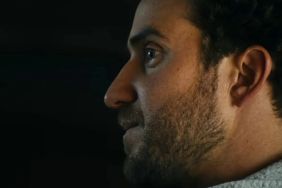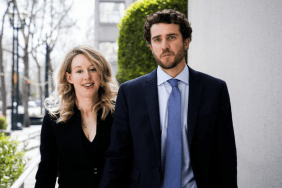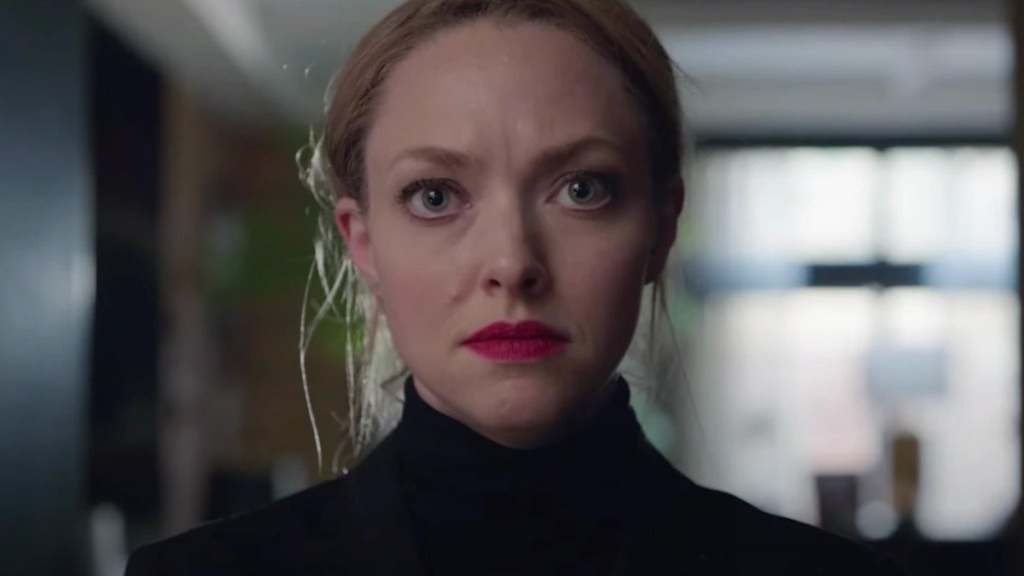
Amanda Seyfried has finally spoken about a hostile dinner with Billy Evans, the partner of Elizabeth Holmes, during the production of You Can See Everything. The actress shared that the confrontation rattled her and left her questioning whether the project could damage her career.
Amanda Seyfried on heated clash with Elizabeth Holmes’ partner
Seyfried told Nathan Fielder and Lance Oppenheim that Evans turned hostile while cameras rolled on a dinner scene. She called his conduct unnecessary and unusually combative. “There was no reason for [Evans] to get that aggressive. That’s the word I’m going to use, as it’s more diplomatic,” she said. “If my jaw wasn’t obviously on the floor, you could tell, like, it had come unhinged” (via Rolling Stone). The actress also said she does not “like” Evans.
The actor said she sought out Evans because the footage she watched unsettled her. “It felt dangerous. I wanted answers,” she explained, adding that her view of him “only got worse” once they sat down together.
According to Amanda Seyfried, Evans mocked her acting, which prompted her to push back. “I don’t want to provoke him, but at this point, it’s kind of like, the gloves are off,” she said. “This guy has disrespected me in such a way that I was like, ‘Oh, I don’t think so, buddy.’” She also challenged how Evans treats Holmes. “I don’t like the way he’s using this human being, his wife — the person he says he’s ‘building monuments of love’ to — as a tool,” Seyfried said.
Seyfried admitted she started filming You Can See Everything before looping in her representatives. “Not the normal process,” she said, noting that her lawyer later had to “retroactively set your deal in place because you need protection.” She insisted she held “no approval, whatsoever” over the final cut and described a persistent fear of wrecking her reputation. “Am I going to destroy my career in some way?” she recalled wondering.
Nonetheless, director Nathan Fielder said the collaboration came together quickly. He reached Seyfried through Emma Stone, and their first agreement covered only a screening and a conversation. Fielder stressed that Seyfried had no creative control and no sign-off on what made it into the film.