Brandi Glanville reportedly underwent facial surgery during which doctors discovered an unusual mass.
The medical team made the discovery while treating an infection. However, the former Real Housewives of Beverly Hills reportedly continued experiencing symptoms while awaiting laboratory results.
Brandi Glanville has a dark mass removed during surgery
Sources with direct knowledge told TMZ that doctors discovered a pearl-sized, grayish-black mass during Glanville’s recent surgery.
At the time of the report, Glanville apparently had not received the results.
Although she was recovering from the procedure, her symptoms reportedly persisted.
She had previously spoken publicly about several ongoing health problems.
She previously said she had several health conditions, including highly resistant ESBL Klebsiella and Enterobacter infections involving biofilm, Valley Fever, Demodex dermatitis, and mononucleosis.
In a previous video, Glanville also demonstrated her facial symptoms by grabbing and pulling at a hardened area beneath her skin.
Her treatment reportedly continued after the procedure. Sources said she was still receiving intravenous treatments at home for 12 hours a day and expected to continue for another 90 days.
She was also reportedly researching doctors who specialize in implant removal. She was also reportedly researching doctors who specialize in implant removal, hoping to undergo the procedure as soon as possible.
October was particularly difficult for the reality star beyond her ongoing health struggles. She also mourned the deaths of her father, Guy Glanville, and close friend Markee M. Hasche.
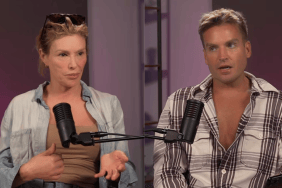
Despite these setbacks, she continued working on her Brandi Glanville Unfiltered podcast.
Sources claimed she had limited her outings to filming the podcast while recovering. She also reportedly planned to revamp the podcast, host episodes solo, and feature more celebrity guests.
She also reportedly hoped to resume creating OnlyFans content after receiving medical clearance.
The laboratory results remained pending, leaving the nature of the removed mass and its possible connection to her symptoms unclear.