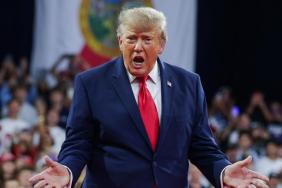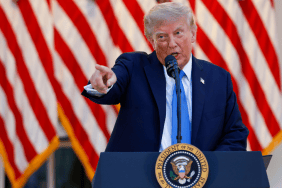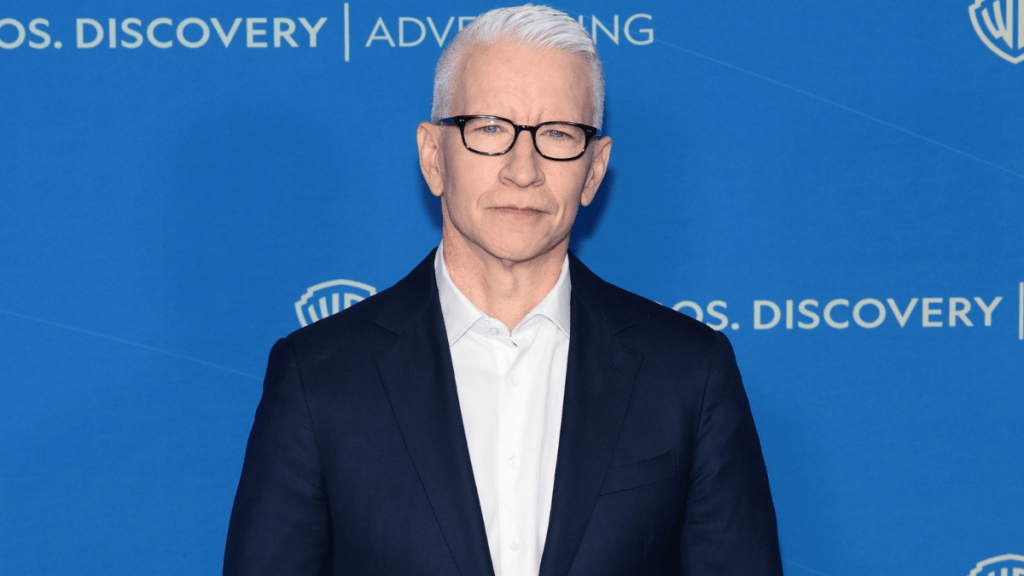
CNN anchor Anderson Cooper criticized President Donald Trump for focusing on issues he believed were unrelated to voters’ concerns ahead of the midterm elections. Cooper highlighted Trump’s low approval ratings and his campaign rallies in Republican-leaning states. He said, “The president has been saying a lot about things that would not seem to matter to most voters.”
The CNN anchor questions Trump’s red-state campaign stops
Ahead of the November midterm elections, Cooper opened a recent episode of Anderson Cooper 360° by questioning Trump’s campaign strategy.
“With just eight days left until the midterms, the President is in Mississippi, a ruby red state that he won by almost 23 points in 2024,” he said.
“And Mississippi is not alone; all week, the president will be hitting one red state after the next. He’s been telling people to vote as if he’s on the ballot. We’ll see how that plays out in every state. His job approval is at a record low for him,” he added.
Cooper also cited a CNN analysis showing that gas prices had exceeded $4 per gallon for more days during Trump’s second term than under the Biden administration.
The anchor then played a clip of Trump discussing the financial gains of American oil companies despite rising fuel costs.
“We’re making money like this country has never made before. I could just see the fake headlines. President Trump is talking about all the money they’re making while people are suffering at the pump. That’ll be the headline. But I said, I don’t give a d***. I’m going to say it. We’re making a freaking fortune,” Trump said.
“Doesn’t give a d***,” Cooper repeated.
“The president is talking about American oil companies, which is maybe why his people didn’t want him talking about that. Some of which, by the way, he may have a financial stake in,” he added.
Cooper also cited a CBS News poll showing that 17% of Republican voters believed Trump prioritized his family’s financial interests over those of ordinary Americans.
His remarks highlighted the contrast between Trump’s campaign messaging and concerns about rising fuel prices and the economy ahead of the November 3 midterm elections.